
Individuals who worked on drilling rigs from the 1960s through the 1980s likely were exposed to asbestos from additives used as part of the drilling mud system. During these years, oilfield workers such as roughnecks, roustabouts, derrickmen, mudmen and others often worked with drilling muds and various drilling mud additives that were used in the mud circulation system. The mud circulation system worked throughout the drilling process to help lift and remove cuttings and debris from the wellbore as well as to help cool down the drill bit. The drilling mud system typically included a series of large mud pumps, a mud or mixing hopper, shale shaker, and reserve pit. The drilling muds and additives flowed through the drill pipe and out of the drill bit. Fluid pressure from the mud pumps would then circulate the drilling mud back out of the well bore and back through again.
Asbestos drilling mud additives were used throughout the drilling industry in Texas, New Mexico, Oklahoma, Louisiana, North and South Dakota, and in many other locations across the United States as well as on off-shore rigs during the 60s, 70s and 80s. Some of the formations across the US and the world where these materials were used include: Midland Basin, Williston Basin, Andarko Basin, North Slope, North Sea, Wilcox trends and numerous off-shore drilling locations.
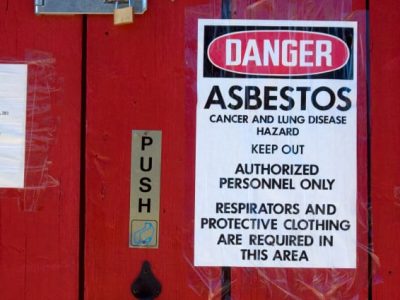
Inhalation of asbestos fibers can cause malignant mesothelioma, a cancer of the lining of the lung, as well as lung cancer. “Countless oilfield workers were exposed to this deadly fiber,” says Texas mesothelioma attorney Ben DuBose “and unfortunately, many of those workers are now beginning to be diagnosed with asbestos related cancers.”